Educational Insights into Botanical Compounds
Exploring holistic wellness knowledge for men over 40 through informational research and botanical science
Educational content only. No medical services. No promises of outcomes.
The concept of wellness has evolved significantly over recent decades. For men over 40, understanding the foundations of well-being involves examining multiple factors including nutrition, lifestyle patterns, and the role of natural compounds in daily routines.
Contemporary research in nutritional science highlights the importance of balanced dietary approaches. This educational resource explores how botanical knowledge intersects with modern understanding of male health maintenance in the context of aging.
Our focus remains purely informational, presenting facts and historical context without prescribing specific actions or outcomes. The goal is to enhance understanding of how various natural elements have been studied and understood across different cultures and time periods.
Throughout history, various cultures have studied plant-based compounds for their nutritional properties. Understanding these botanical foundations provides context for modern nutritional science and dietary diversity.
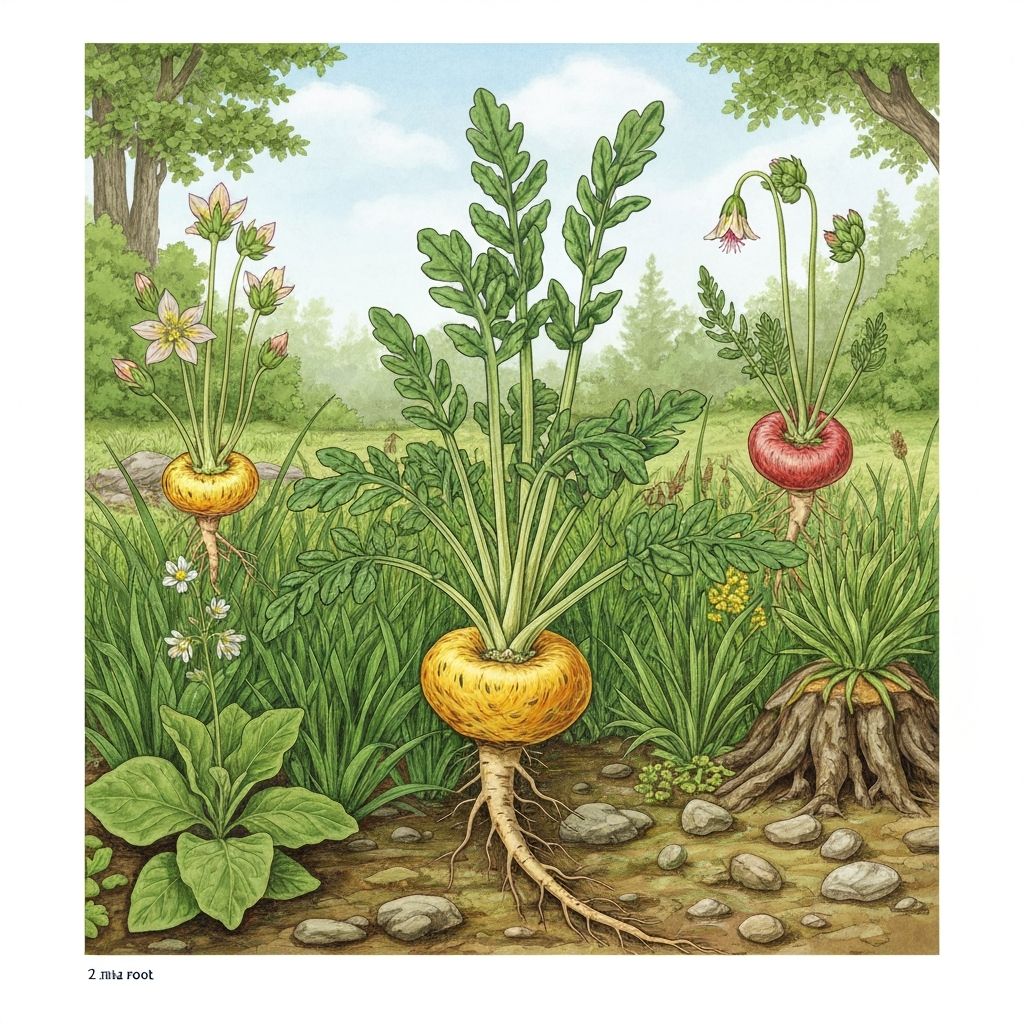
Native to the Peruvian Andes, maca has been cultivated for thousands of years. Rich in amino acids and minerals, this root vegetable has been a dietary staple in high-altitude regions.
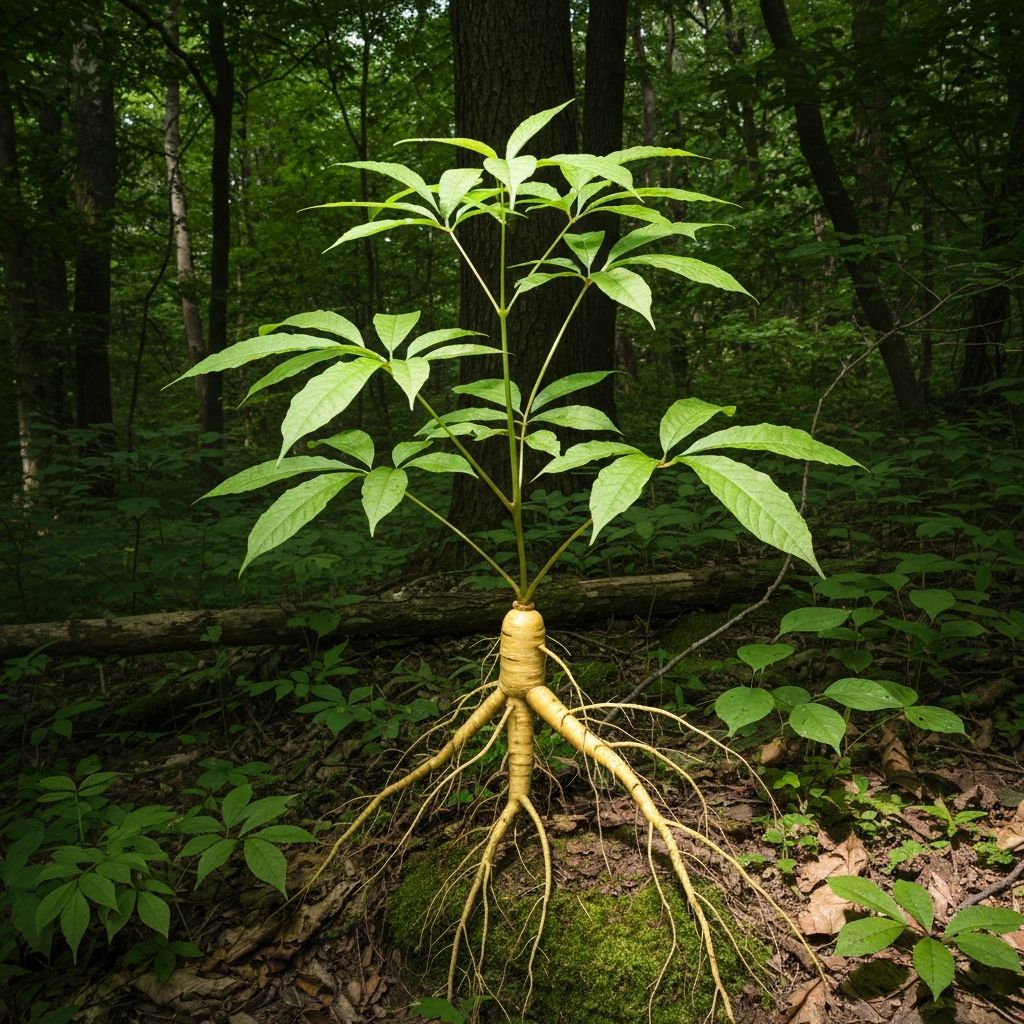
Asian and American ginseng varieties have distinct chemical profiles. The root contains various compounds including ginsenosides, which have been subjects of nutritional research for decades.
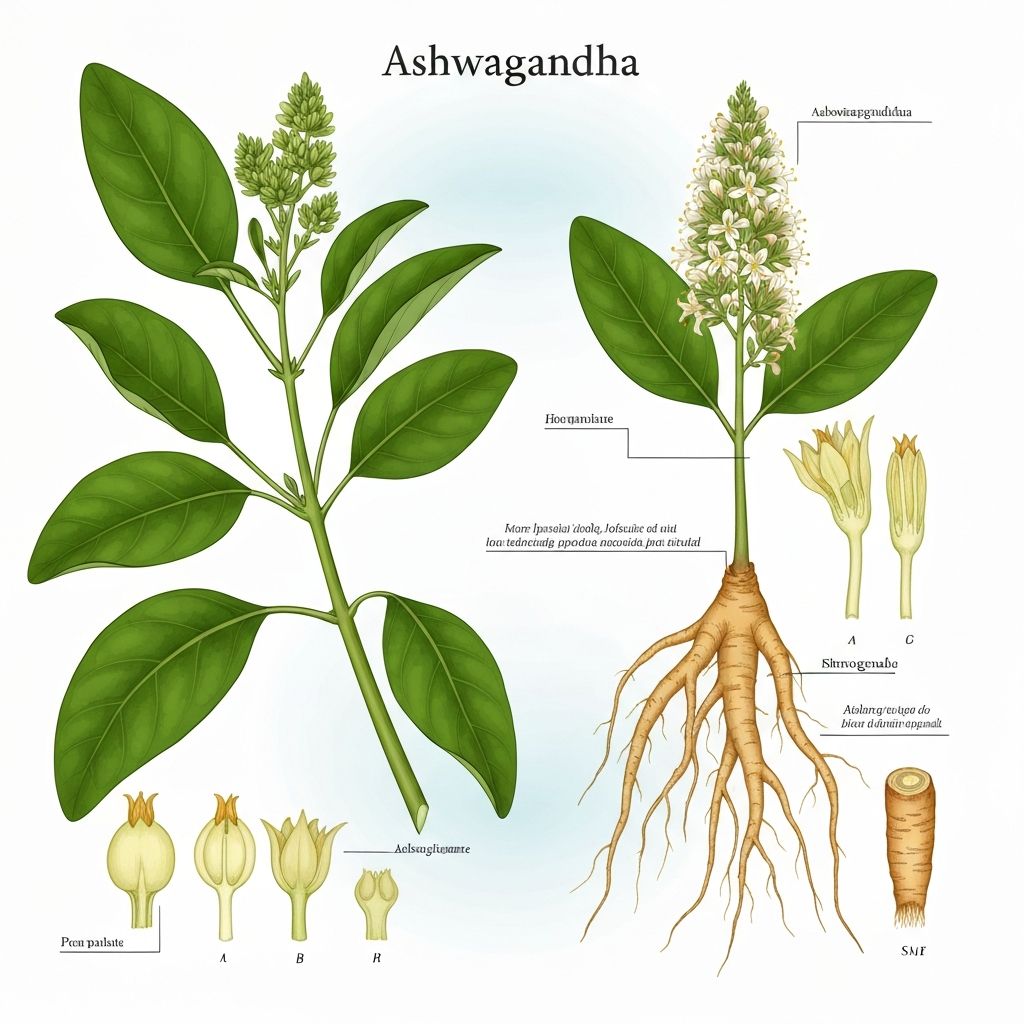
Known botanically as Withania somnifera, this plant has been documented in traditional Indian texts. Modern studies examine its nutritional composition and antioxidant properties.
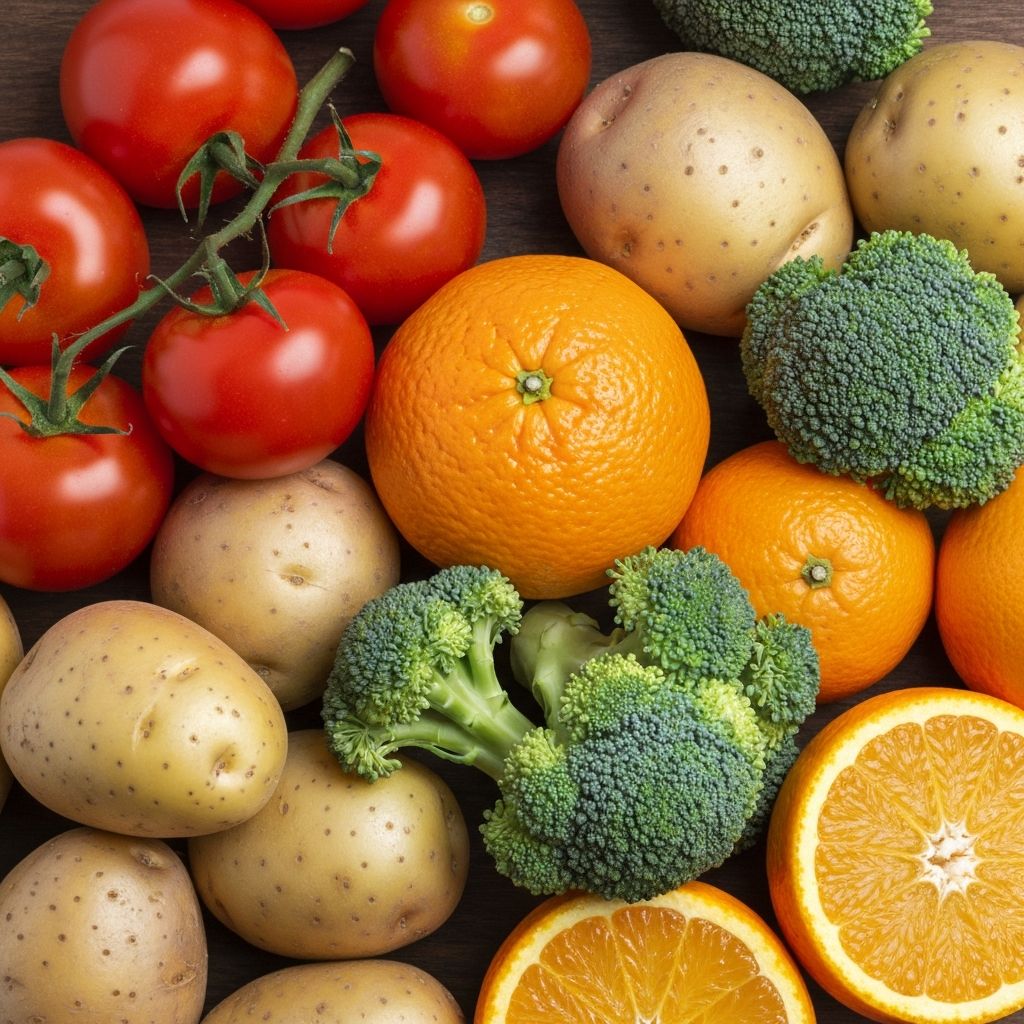
Micronutrients play fundamental roles in biological processes. Zinc, selenium, and magnesium are examples of minerals that appear in dietary recommendations for adults.
Zinc is found in foods like pumpkin seeds, legumes, and whole grains. Selenium appears in Brazil nuts and seafood. Understanding dietary sources helps contextualize nutritional diversity.
This overview presents factual information about where these elements occur naturally and their general biochemical roles, without suggesting specific intake levels or individual recommendations.
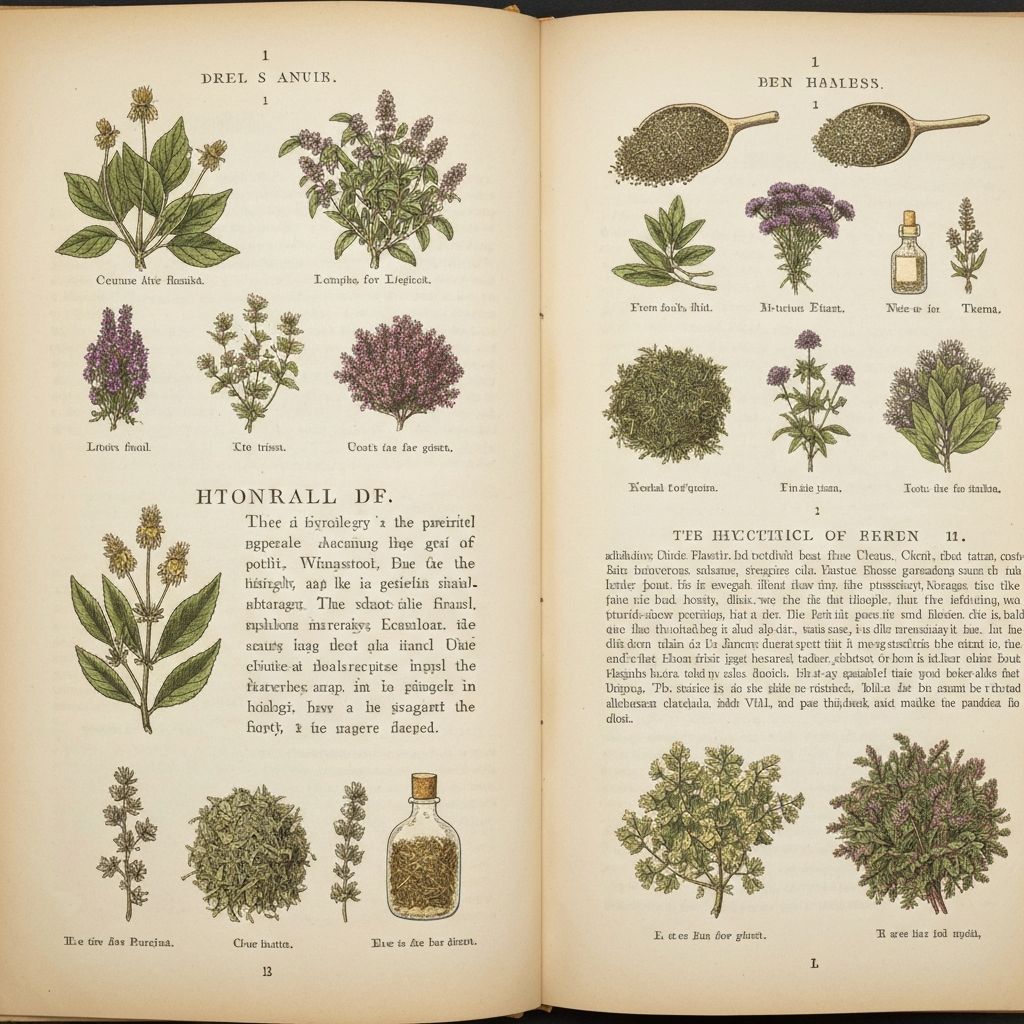
Herbal knowledge has been documented across civilizations from ancient Egypt to traditional Chinese pharmacopeia. These historical records provide insight into how different cultures understood plant properties.
Medieval European herbals, Ayurvedic texts, and Native American botanical traditions all contributed to contemporary ethnobotanical research. Studying this history reveals patterns in how humans have categorized and utilized plant materials.
Modern botanical science builds upon these historical foundations while applying contemporary research methodologies. This creates a bridge between traditional knowledge and current nutritional understanding.
Bio-availability refers to how compounds from food are absorbed and utilized by the body. Various factors influence this process, including food combinations, preparation methods, and individual digestive characteristics.
For instance, fat-soluble compounds may be better absorbed when consumed with dietary fats. Water-soluble vitamins have different absorption patterns. Understanding these principles provides context for nutritional science discussions.
Research continues to explore how extraction methods and formulation approaches affect compound availability. This remains an active area of food science investigation, with new findings regularly published in academic journals.
Incorporating diverse nutritional sources into daily routines involves understanding meal planning, food variety, and balanced eating patterns. This section explores general lifestyle considerations for men over 40.

Balanced eating involves incorporating proteins, complex carbohydrates, healthy fats, and diverse plant foods. Understanding food groups helps contextualize dietary variety.

Regular physical activity is associated with various aspects of well-being. Different forms of movement offer different benefits, from cardiovascular to flexibility-focused activities.

Adequate sleep and recovery periods are fundamental components of a balanced lifestyle. Research examines relationships between rest patterns and overall well-being markers.
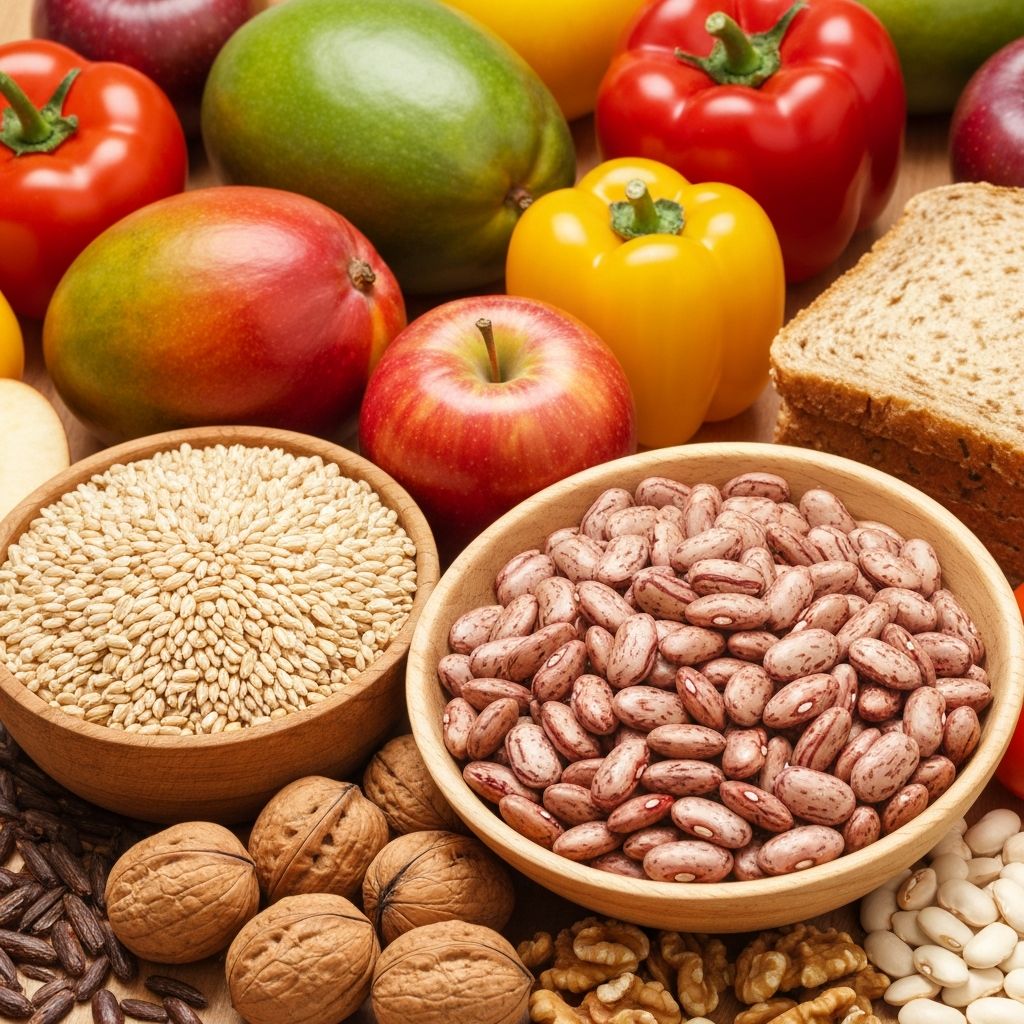
Nutritional synergy describes how certain nutrients work together when consumed in combination. For example, vitamin C may enhance iron absorption from plant sources, while vitamin D supports calcium utilization.
Understanding these interactions provides context for meal planning and food pairing. Traditional cuisines often combine foods in ways that naturally optimize nutrient interactions, though this was likely developed through cultural practice rather than scientific analysis.
Current research continues to explore these relationships, examining how different dietary patterns affect nutritional outcomes. This represents an evolving area of food science with ongoing investigations.

Environmental factors including air quality, seasonal variations, and geographic location can influence nutritional needs and lifestyle patterns. Understanding these contextual elements provides a broader perspective on wellness considerations.
For instance, vitamin D synthesis varies with latitude and sun exposure. Seasonal availability of fresh produce affects dietary patterns. Urban versus rural environments present different considerations for physical activity and outdoor engagement.
These environmental contexts help explain why nutritional recommendations may vary across populations and why individual circumstances matter when considering dietary diversity.

This educational resource has explored various aspects of botanical compounds, micronutrients, and lifestyle factors relevant to men over 40. The information presented draws from historical knowledge, ethnobotanical research, and contemporary nutritional science.
Key themes include understanding the diversity of plant-based nutrients, recognizing historical uses of botanical materials, and contextualizing how various factors contribute to overall wellness considerations.
The goal remains educational: to inform and explain rather than prescribe or recommend. Individual circumstances vary widely, and this content serves as a general knowledge resource rather than personalized guidance.
Important Context:
Herbal Hub exists solely to provide educational context about botanical compounds and wellness topics. We do not offer services, programs, or products.
Explore more educational content about botanical knowledge and wellness research
Learn More About This Project